

10 Interior Design Questions to Ask Before Hiring an Interior Designer in Lahore
Have you ever walked into a beautifully designed home and thought, “I wish my home could feel like this too”?
Maybe you have saved countless interior design ideas on Pinterest, explored different colour palettes, or imagined how your living room, bedroom, or kitchen could look. But when it comes to turning those ideas into reality, interior design questions begin to arise.
to turning those ideas into reality, the questions begin.
Where should you start, which design style suits your home, how much should you budget, and how can you find the right interior designer in Lahore?
Designing your home is an exciting journey, but making the right decisions can sometimes feel overwhelming. Every home has different needs, and what looks beautiful in a picture may not always work for your space, lifestyle, or budget.
That is why thoughtful planning matters.
Great home interior design is not just about beautiful furniture, trendy colours, or luxurious finishes. It is about creating a space that feels comfortable, functions well, and reflects the people who live in it.
Whether you are building a new house, renovating your existing home, or exploring interior design services in Lahore, asking the right questions can help you make informed decisions before the work begins.
In this guide, we answer 10 common interior design questions to help you understand the process, explore your options, and feel more confident about planning your dream home.
What Do Interior Design Services in Lahore Usually Include?
Interior design services can vary from one company to another, so it is important to understand exactly what is included before hiring.
Depending on your project and selected service, residential interior design may include:
- Space planning and furniture layouts
- Interior design concepts and mood boards
- Colour palettes and material selection
- Lighting design
- Ceiling and wall design
- Kitchen and wardrobe design
- Furniture and decorative styling
- 3D visualisations and design presentations
- Working drawings and technical details
- Site coordination or project supervision, if included in the agreement
Some homeowners need help with only one room, while others want a complete home design.
For instance, a living room makeover may focus on furniture placement, lighting, wall finishes, and décor. A complete house interior design project may require coordination across bedrooms, bathrooms, kitchens, living areas, and circulation spaces.
Before signing an agreement, ask for a clear list of deliverables.
Helpful tip: Confirm whether execution, material procurement, site visits, and supervision are included or offered separately
What Is the Difference Between an Architect and an Interior Designer?
This is one of the most common questions people ask when planning a home.
Although architects and interior designers often work together, their roles are different.
An architect generally focuses on the building itself, including its structure, layout, exterior appearance, and architectural planning.
An interior designer focuses on the spaces inside the building—how they look, feel, and function. This can include space planning, furniture layouts, lighting concepts, material selection, colour schemes, and interior finishes.
For example, if you are constructing a new house, an architect may help plan the building layout, while an interior designer can help shape the experience of each room.
For larger projects, both professionals may work together to coordinate the building and its interiors.
The key takeaway: Choose professionals according to your project requirements. If your project involves both architectural changes and interior work, ask how the design teams will coordinate.
Why Should You Hire a Professional Interior Designer for Your Home?
A home should look beautiful, but it should also make everyday life easier.
A professional interior designer can help you bring your ideas together and turn them into a coordinated design.
Here are a few ways interior design services can help:
A Home That Reflects Your Lifestyle
Your home should suit the people living in it. A family home, a bachelor apartment, and a home designed for frequent guests may all need different layouts and features.
Better Use of Available Space
Thoughtful space planning can help make rooms feel more organised and functional, especially where storage, furniture placement, or circulation is challenging.
A Coordinated Design
Instead of choosing each item separately, a designer can help connect colours, materials, lighting, furniture, and finishes into one overall concept.
Support With Design Decisions
If you have too many ideas—or no clear starting point—a designer can help you explore options and make decisions based on your needs.
Planning Before Execution
Design drawings and specifications can help communicate the intended design to the people carrying out the work.
A designer cannot guarantee that every project will be free from delays or unexpected costs. However, having a clear design and scope can make planning and coordination easier.
4. How Can You Make a Small Home Feel More Spacious?
A beautiful home does not always need a large floor plan. Sometimes, the right design choices can make even a compact space feel more open, comfortable, and practical.
If you live in an apartment or a house with limited space, thoughtful space planning and home interior design can make a real difference.
Make Every Corner Count
Look at how each area is being used. Avoid filling the room with furniture that blocks movement or makes the space feel crowded.
Choose Furniture That Fits
Oversized furniture can make a small room feel even smaller. Choose pieces that suit the room’s proportions and leave enough space to move comfortably.
Use Smart Storage Solutions
Built-in wardrobes, storage beds, and well-planned cabinets can help keep everyday belongings organised without taking up unnecessary floor space.
Let Natural Light In
Where possible, keep windows clear and use window treatments that allow natural light to enter. A brighter room can feel more open and inviting.
Keep the Design Connected
Using a coordinated colour palette and consistent materials can help different areas feel visually connected, especially in open-plan homes.
Plan Before You Buy
Before purchasing furniture or décor, consider the room dimensions, circulation, storage requirements, and how you will use the space every day.
Remember: The goal is not simply to make a small home look bigger. It is to make the available space work better for your lifestyle.
A thoughtful layout can help your home feel more organised, comfortable, and personal without needing to add more space.
How Much Does Interior Design Cost in Lahore?
There is no single price that applies to every interior design project.
The cost of interior design in Lahore depends on several factors, including the size of the property, the scope of work, the design requirements, and the materials and finishes selected.
How Can You Design a Home That Looks Beautiful and Works for Everyday Life?
Have you ever seen a stunning room that looked amazing in photographs but seemed difficult to live in?
A home can look beautiful and still feel uncomfortable if the layout does not support your daily routine.
That is why successful residential interior design should balance appearance with functionality.
Plan Furniture Around Movement
Furniture should not block doorways, windows, or the natural flow of movement. Leave comfortable circulation space so rooms feel easy to use.
Make Storage Part of the Design
Storage should be planned from the beginning rather than added as an afterthought. Wardrobes, cabinets, shelves, and concealed storage can help keep your home organised.
Think About Lighting in Layers
A combination of general lighting, task lighting, and accent lighting can help different areas serve different purposes.
For example, a reading corner may need focused lighting, while a living room may benefit from softer ambient lighting.
Consider Everyone Who Lives There
A home designed for a family with children may need different furniture, finishes, and storage solutions from a home for a couple or someone living alone.
The takeaway: A well-designed home should not only look good when everything is perfectly arranged. It should also feel comfortable during ordinary, everyday life.
How Do You Choose an Interior Design Style That Suits Your Personality?
Scrolling through interior design inspiration can be exciting—but it can also leave you confused.
One day you love a minimalist home, the next day a warm contemporary interior catches your eye, and then you discover a luxurious space filled with rich textures.
So, how do you decide what actually suits you?
The answer begins with understanding your own preferences.
Notice What You Naturally Like
Look at the rooms, colours, furniture, and materials you repeatedly save or admire.
Do you prefer clean lines and uncluttered spaces? Warm wood and soft textures? Bold colours and statement pieces? Or elegant finishes with subtle details?
These patterns can help you identify your preferences.
Think About Your Lifestyle
Your preferred style should work with the way you live.
For example, a minimal interior may appeal to someone who enjoys simplicity, while someone who loves collecting art may prefer a design that gives their collection room to stand out.
Consider Your Existing Space
The size of your rooms, natural light, architectural features, and existing furniture can all influence which design ideas will work well.
Do Not Feel Limited to One Style
You do not have to follow a single design label throughout your home.
A thoughtful combination of contemporary furniture, traditional details, natural materials, and personal accessories can create a space that feels individual and connected.
What Are the Most Common Interior Design Mistakes Homeowners Should Avoid?
Planning a home involves many decisions, and it is easy to overlook small details that can affect the final result.
Understanding common design mistakes can help you prepare more carefully.
Buying Furniture Before Planning the Layout
A sofa may look perfect in a showroom but feel too large once it is placed in your living room.
Measure your space and plan furniture placement before making major purchases.
Ignoring Storage Needs
A beautiful interior can quickly feel cluttered if there is not enough room for everyday belongings.
Think about storage requirements for each room before finalising the design.
Choosing Colours Without Testing Them
Colours can look different depending on natural light, artificial lighting, and nearby materials.
Whenever possible, review samples in the actual space before making a final decision.
Focusing Only on Appearance
A room may look attractive but still be difficult to use if lighting, circulation, comfort, or practical needs have been overlooked.
Making Decisions Without a Clear Budget
Choosing finishes, furniture, and upgrades without understanding their costs can make it harder to manage the project.
Set priorities and discuss the budget early.
Leaving Lighting Until the End
Lighting affects how a room looks and functions. Plan lighting alongside furniture layouts and other design elements rather than treating it as a last-minute detail.
Skipping Measurements and Planning
Incorrect measurements can affect furniture placement, cabinetry, and circulation. Accurate site information and planning are important before ordering or installing major items.
The takeaway: Good interior design is not only about avoiding mistakes. It is about making thoughtful decisions early, when changes are easier to discuss and plan.
. How Can You Make Your Home Look Luxurious Without Overspending?
A luxurious-looking home does not always require expensive furniture or premium materials in every corner.
Often, the overall feeling comes from thoughtful choices, consistency, good proportions, and attention to detail.
If you are planning luxury home interior design on a budget, here are some ideas to consider.
Focus on the Areas That Matter Most
You do not need to upgrade every room at once.
Choose the spaces you use most or where a design improvement would make the biggest difference, such as the living room, entrance, or master bedroom.
Keep the Colour Palette Coordinated
A consistent colour palette can help your home feel connected and intentional.
Neutral colours, carefully chosen contrasts, and complementary materials can create a polished appearance without requiring elaborate finishes.
Pay Attention to Lighting
Well-planned lighting can highlight architectural features, create atmosphere, and make a room feel more welcoming.
Consider how natural light and artificial lighting work together.
Choose a Few Statement Pieces
Instead of filling every room with decorative items, consider selecting a few pieces that add character—such as an artwork, an elegant light fixture, or a distinctive piece of furniture.
Mix Materials Thoughtfully
Combining materials such as wood, fabric, metal, stone, or textured finishes can add depth to an interior.
The key is to use them in a way that feels balanced rather than overcrowded.
Invest in What You Use Every Day
Comfortable seating, practical storage, suitable lighting, and durable finishes may be more valuable to your everyday experience than decorative upgrades you rarely use.
Remember: A luxurious interior is not defined only by its price. A carefully planned home can feel refined, comfortable, and personal while respecting your budget
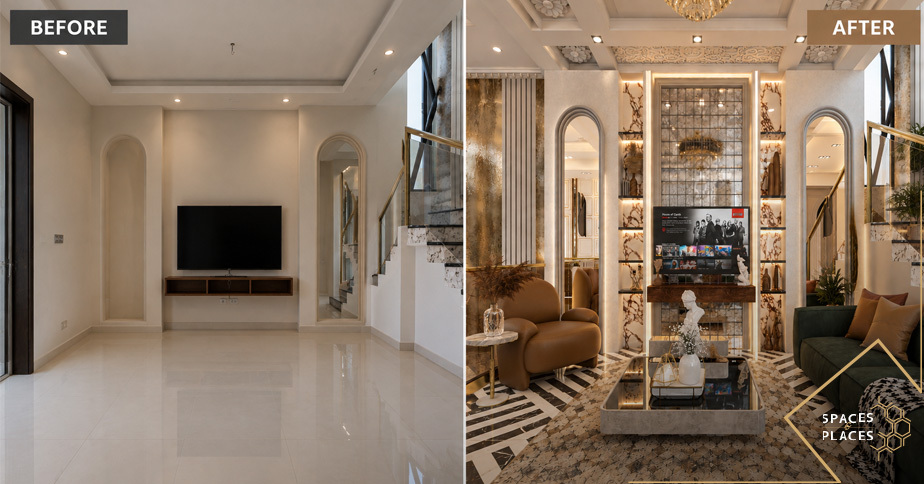
What Should You Expect During Your First Interior Design Consultation?
Your first interior design consultation is an opportunity to discuss your ideas, understand the design process, and explore whether the service is suitable for your project.
You do not need to arrive with every detail decided. However, having a few things prepared can make the conversation more productive.
Discuss Your Project Goals
Explain whether you are designing a new house, renovating an existing property, furnishing an apartment, or updating selected rooms.
Share what you want to achieve and what is currently not working in your space.
Talk About Your Lifestyle
Your designer may ask about your household, daily routines, storage needs, preferred atmosphere, and how you use different rooms.
These details help shape the design direction.
Share Your Inspiration
Bring examples of interiors, colours, materials, or furniture you like.
You can also explain what you dislike. Knowing what does not suit you can be just as helpful.
Discuss Your Budget and Priorities
Share a preliminary budget range and identify your essential requirements.
This can help the team understand the scope you are considering.
Ask About the Design Process
Find out what happens after the consultation, what information is needed, and which deliverables may be included in the service.
Clarify Communication and Responsibilities
Ask who your main point of contact will be, how feedback is handled, and what role you will have during the design process.
Prepare Your Questions
You may want to ask:
- What services are available for my type of project?
- What information should I provide before design work begins?
- What deliverables will I receive?
- How are design changes handled?
- How will the project scope and fees be explained?
The takeaway: Your first consultation should help you understand the process and communicate your needs—not pressure you to have every decision made immediately.